Sustainability in Quality Improvement (SusQI)
So how do we incorporate sustainability into hospitals?
This is where the concept of SusQI (Sustainability in Quality Improvement) comes in.
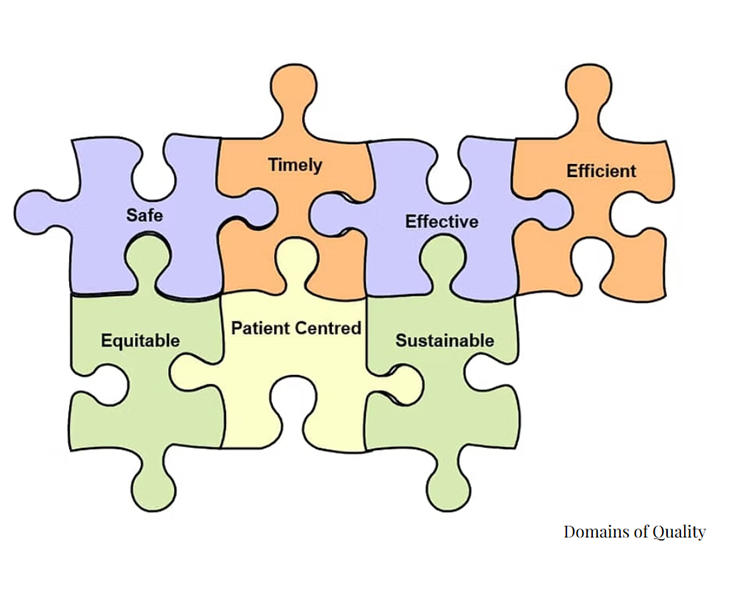
We already have a quality improvement process for many other aspects of patient care: safety, efficiency etc. The hospital is constantly performing audits and identifying areas that we could improve on – better patient outcomes, better financial savings etc.
So all you have to do is now ADD the idea of sustainability into the equation!
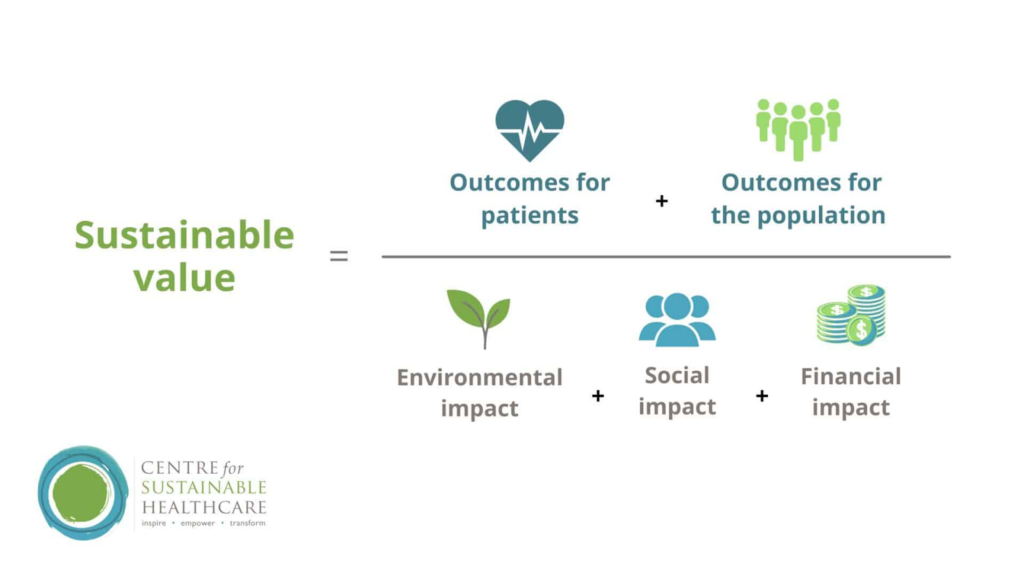
People often think sustainability means sacrificing patient safety or it’s going to be much more costly.
This doesn’t have to be the case. You just CONSIDER the sustainability angle when thinking of implementing a change.
Good news is the vast majority of the time being green actually has no impact on patient outcome (non-inferior), and also saves money because you are using less.
With the waste hierarchy and SusQI concepts – you can now start the process of implementing change on a bigger scale.
Steps
- Identify ideal practice (eg Less wastage of gloves)
- Audit of current practice*
- Result presentation*
- Action, Education/Reinforcement
(*Audits and research can be time consuming, and often have already been completed in other places as proof of benefit. Sometimes it may just make sense to proceed with a change given this. No need to reinvent the wheel. Audits are important to keep the change ongoing though!)
Below are some ideas to help you get started, but the list really is endless!
Project ideas (to be expanded)
REDUCE
- Gloves off
- Reusable scrub hats
- Coffee cups
- PO medications (Paracetamol)
- Blueys
- Perioperative warming protocol
- Perioperative DVT prophylaxis
- Propofol waste
- Patient items – dentures/glasses case
- Gauze
- HFNP
- Drug trays
REUSE
- Tourniquets
- Airway equipment – Face masks, LMAs, Laryngoscopes, Bronchoscopes
- Slide sheets
- Reusable warmer
RECYCLE
- Paper
- Metal – Copper, aluminium, stainless steel
DISPOSE
- Pharmaceutical waste bin
- Sharps bin
REPURPOSE
- Medsalv
- Company based in NZ and AUS
- Repurposes disposable SCDs, hovermatts, tourniquets
- Will provide a waste bin where the items can be dumped into (does not need sorting or cleaning)
- When full notify the company, who will organise free pickup (so no matter how remote can all be involved). If large enough usage can do regular pickups. Win-Win!
- Medcycle
- Company based in AUS
- Will buy old/broken hospital equipment (eg US machines/probes, X-ray/CT/MRI, endoscopy equipment, anaesthetic machines/vaporisers), repurposes them and sells them to other places
OTHER
- Nitrous decommissioning
- Efficiency – theatre turnover
Change never lasts… What’s the point?
This is arguably true for most things including patient safety projects, and sadly sustainability projects are not immune from this.
But that is the whole point of a QI system.
To evaluate the current system against best practice, and identify if it needs improving!
(or if things are going well, encouragement goes a long way).
Broadly though education and cultural change is very important.
Wherever you are, NT, NSW, VIC etc, no matter what hospital, people come and go.
A hospital is run by people, not by rules and protocols on paper.
If people aren’t aware of the policies, and people aren’t educated, then new people of course aren’t going to be doing things!
You can start by leading with example and inspire others to change. This should be followed by regular education sessions, which are more effective in times of change to maintain a culture (just after beginning of new clinical year for example – with a new influx of registrars).
Let’s all make sustainability… Sustainable!
How to achieve change?
No matter how good an idea/change is it will be impossible to achieve it yourself.
1. First find a team of ‘allies’ – consultants that are keen on sustainability, then together develop overall departmental approval and endorsement.
Any change will usually require meetings of some sort and you will need to present your case. This is much more easily achieved by having a team and developing connections and a network.
2. Identify the ‘important people’ you need to convince, and start your email chains
If I had to rattle off a list of people
- General theatre nursing unit manager
- Recovery/anaesthetic nursing lead
- Procurement
- Infection control
- Central sterile services department (CSSD)
(the list will vary with different projects of course)
Change will take time, because you need to seek approval from the relevant individuals for a project to move forward (even though it can take a long time, the effort may not be huge. Couple of emails every fortnight usually. Think of it as guerilla warfare).
If you take the time to ‘build a system’ of sorts it will make the next change you want to achieve much easier.
Organising theatre wide sustainability meetings is a big step towards building the system.